

The Season to be Seen
‘The season’ once meant far more than the weather. It meant arrival, visibility, and participation in a shared social rhythm. In Georgian and Regency England, spa towns like Buxton were not simply destinations — they were stages. People travelled here not only to take the waters, but to take their place within a world of promenades, assemblies, introductions, and carefully practised conversation. The season was a choreography, and everyone who came to Buxton understood the steps.
Buxton’s season had its own character, and the intimacy of a smaller spa community created a setting where visitors could circulate, converse, and be observed. A walk through the Square, a visit to the shops, or an ascent of Hall Bank was not simply leisure — it was participation in a national conversation about taste, manners, and sociability.
In the world of Jane Austen for example, the season was a social engine. It determined who you met, who you danced with, and how your prospects might rise or fall. Though Austen never set a novel in Buxton, she knew the spa circuit intimately: the assemblies, the promenades, the delicate negotiations of reputation and opportunity.
Buxton belonged to that same constellation of places where society gathered to refresh both body and standing. To be here “in season” was to be part of a shared performance understood across the country.


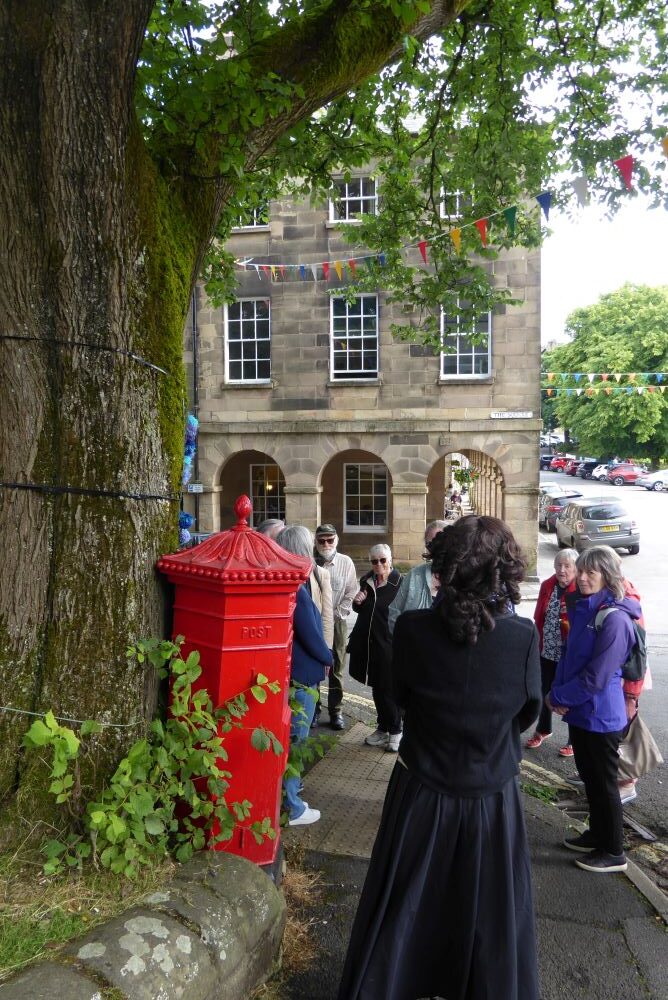
The debutante tradition was another, later, example of being seen — the moment a young woman “came out” into society — was not a single event but a year-long preparation. Before the ball itself, she would travel, visit, and practise the arts of conversation, comportment, and sociability. Spa towns were ideal training grounds: sociable yet contained, elegant yet manageable.
It is entirely plausible that Buxton played a role in this circuit. A young woman could learn the rhythms of society here before facing the grander stages of London. The season in Buxton offered a gentler introduction to the world — a place to be seen, but not overwhelmed.
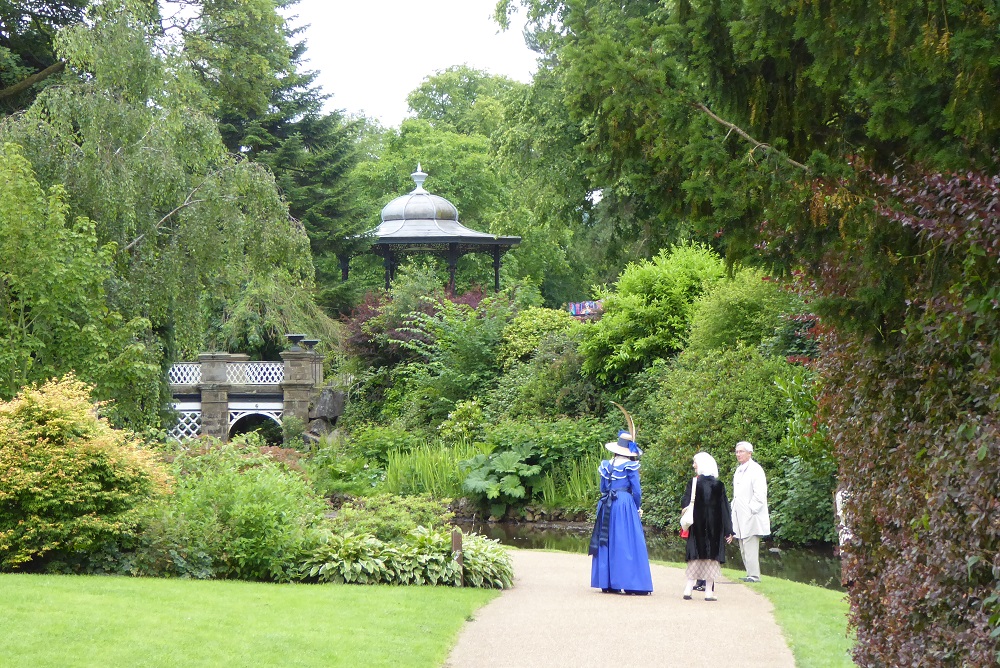
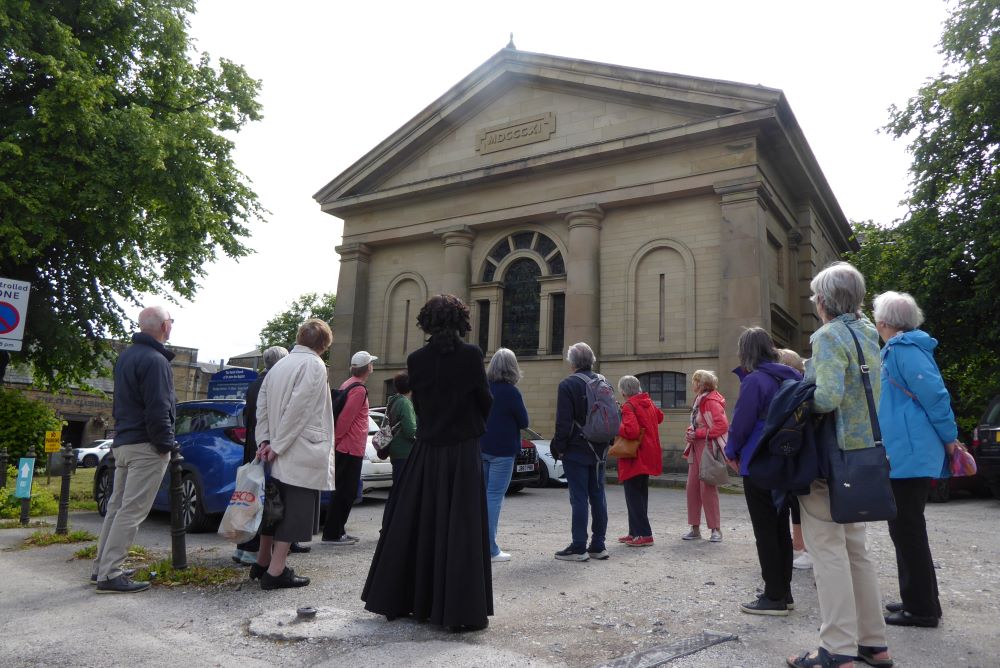
During Georgian times, they would have walked along the River Wye, where the water and the landscape offered a gentler, more natural promenade: through the Square and Crescent, pausing to look into the windows of the shops — especially Bright’s the jewellers; up Hall Bank, where many doctors and apothecaries practised; to St John’s Church, whose elegant presence drew visitors for worship, reflection, and social visibility.
These were the routes where reputations were shaped, alliances formed, and the season quietly unfolded. The social season of the Georgian world was never a fixed script. It shifted with its participants — their needs, their abilities, their ambitions. A promenade could be leisurely or brisk; a tea table intimate or expansive; a visit to the waters, restorative, sociable, or strategic.
That spirit continues today. Every experience we offer is bespoke, shaped to fit the audience in front of us. Whether guests come for deep historical immersion, gentle storytelling, lively conversation, or quiet reflection, the tour becomes what they need it to be.
Today, Buxton’s season is no longer confined to a calendar. It is a living, responsive tradition — a way of welcoming people into a town that has always known how to host arrivals, renewals, and transformations. Visitors still come to be restored, to be inspired, to be part of something shared. And we meet them where they are, creating tours that honour the past while welcoming every body, every pace, every curiosity.
Buxton is still a stage. The season is still unfolding and we look forward to you being a part of it.
NC
Catch us this festival season:
Buxton Festival Fringe
- The Totally Made-Up Tour – Thu 9, Wed 15, Thu 23 July, all at 11am, £10pp, call us to book a place.
Buxton Internation Festival
We are delivering a range of guided walks in this year’s Buxton Internation Festival between 9 and 26 July. Tickets go on public sale on 26 April (priority booking from 17 March). Book via the BIF website (click the links):
- Introduction to Buxton’s History and Heritage – Friday 10 July 11.30am – 1pm, Friday 17 July 11.30am – 1pm
- Walk in the Footsteps of our Ancestors: 5,000 Years of Buxton History – Friday 10 July 3.30pm – 5.30pm, Wednesday 15 July 11.30am – 1.30pm
- Vera Brittain, Buxton and a Testament to Lost Youth – Saturday 11 July 11.30am – 1pm, Saturday 18 July 11.30am – 1pm, Saturday 25 July 11.30am – 1pm
- An Audience with Mary Queen of Scots – Monday 13 July 11.30am – 1pm, Friday 17 July 3.30pm – 5pm, Friday 24 July 3.30pm – 5pm
- An Exploration of Fairfield’s History – Monday 13 July 3.30pm – 5.30pm, Thursday 16 July 3.30pm – 5.30pm, Tuesday 21 July 3.30pm – 5.30pm
- Through the Heritage Lens: A Road Reveals its Secrets – Tuesday 14 July 3.30pm – 5pm, Monday 20 July 11.30am – 1pm, Wednesday 22 July 3.30pm – 5pm
- Raising the Curtain: A Peek at the History of Theatrical Performance in Buxton – Wednesday 22 July 11.30am – 1pm, Friday 24 July 11.30am – 1pm