
When the Victorians came to take the waters in Buxton they often hired a local guide to take them out to see the surrounding countryside. They didn’t have to travel far to experience both beautiful scenery and to hear local tales about the history of the area. Half-day excursions to the surrounding countryside were popular pastimes. The cost of an 8 mile return ride from Buxton to Flash Bar, for example, was 14 shillings for a one-horse carriage and driver and one guinea for a carriage and two horses with driver. This was a huge amount of money and would be the equivalent of approximately £60 for the one horse carriage and £120 for two horses. This gives you some indication of how wealthy these visitors were. The average weekly wage ,if you were lucky ,would have been about £1 per week or 20 shillings. A ride out to Flash was therefore costing around three quarters of the average worker’s weekly wage! www.nationalarchives.gov.uk › currency-converter
The trip was advertised to include mountain Views, a visit to Dove Head Springs and the “Interesting new Church at Quarnford, on the highest ground in the country.
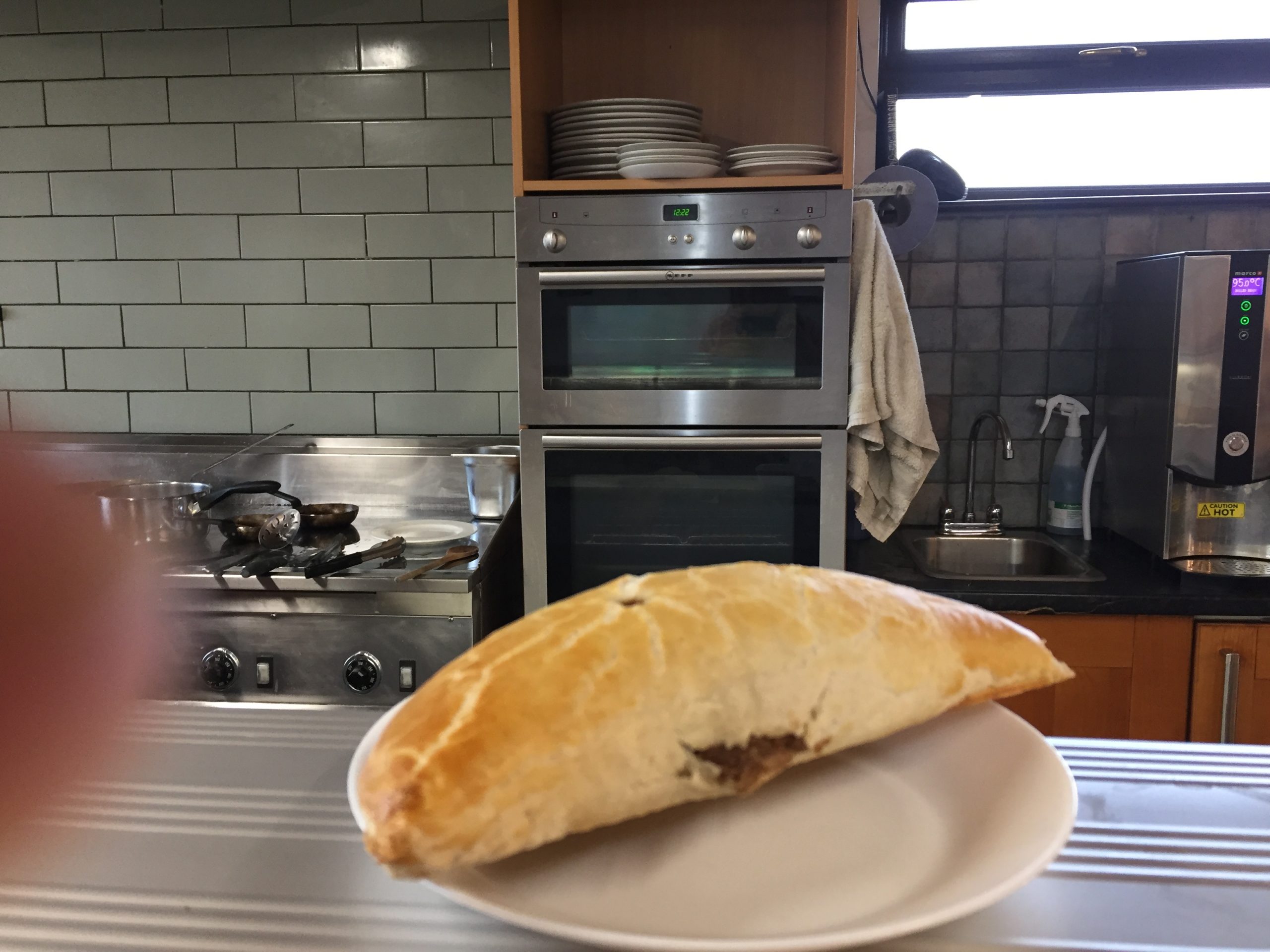
These days a trip to Flash Bar, named after the toll gate or toll bar that was first erected in 1771, will hopefully find you enjoying the delights of a peak pasty from the brilliant new owners and their equally delightful cafe .
During 2020 we hope to recreate some of these Victorian journeys and to whet your appetite I thought I would share some of the history of Flash, a mere 4 miles from Buxton.
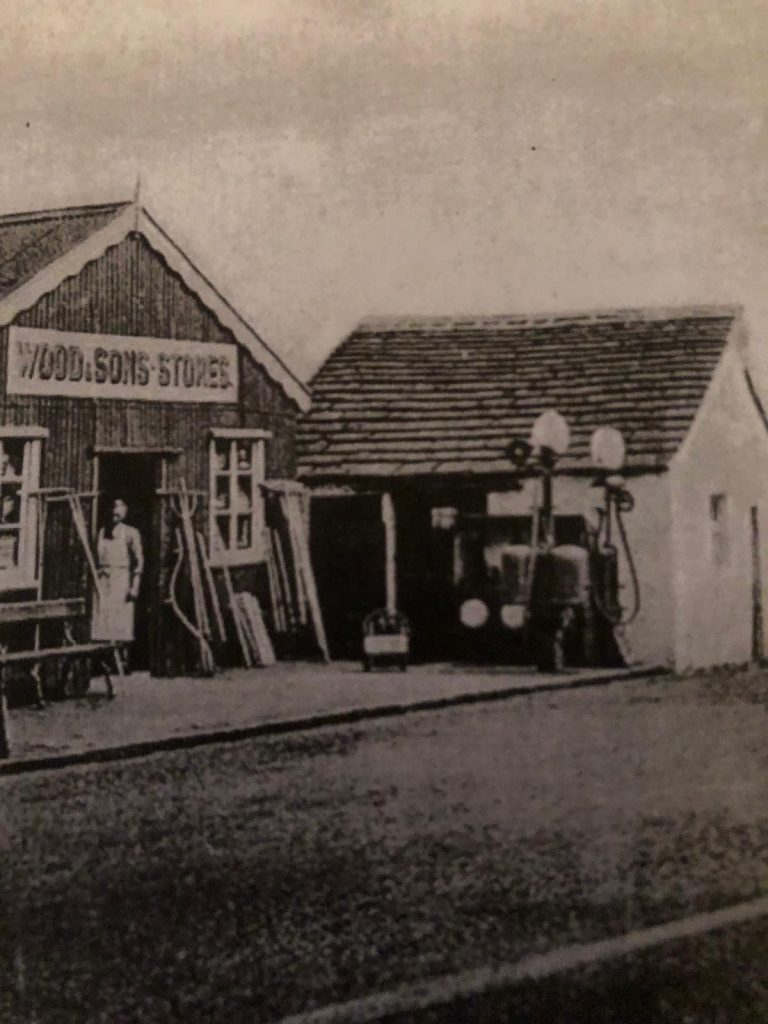
Travelling along the A53 it doesn’t take long to arrive at a huge bend in the road with Flash Bar stores and cafe on the left and the old Travelers Rest, now The Knight’s Table, facing you.
The toll bar, which once stood here in 1771, would have been very busy as the toll road ran from Macclesfield to Longnor via Three Shires head, the ancient boundary of Derbyshire, Cheshire and Staffordshire.
There would be many travelers, hawkers and pedlars paying their toll to use it as they traveled taking the silk buttons, made in the village, to and fro. In fact Flash, whose name means a swamp, was settled by pedlars and hawkers during the 18th century although there were people living here from at least the 1500’s. The present village grew up around a church built in 1744 and had three inns and three shops in 1817 and was the main centre in the north-west part of Alstonefield church parish. Eventually Flash became part of the civic parish of Quarnford. This whole area remained solely in the hands of the Harpur-Crewe family from 1597 until 1951 when Quarnford farms along with most of the estate properties in Alstonefield were sold at auction to settle death duties.
The Victorian traveler would often stop for afternoon tea at Manor Farm, Quarnford when the carriage driver would charge three shilling (15p) an hour for waiting. Bilberries, collected locally, would be made into pies and served with cream.The carriage driver would charge an additional three shilling (15p) an hour for waiting.