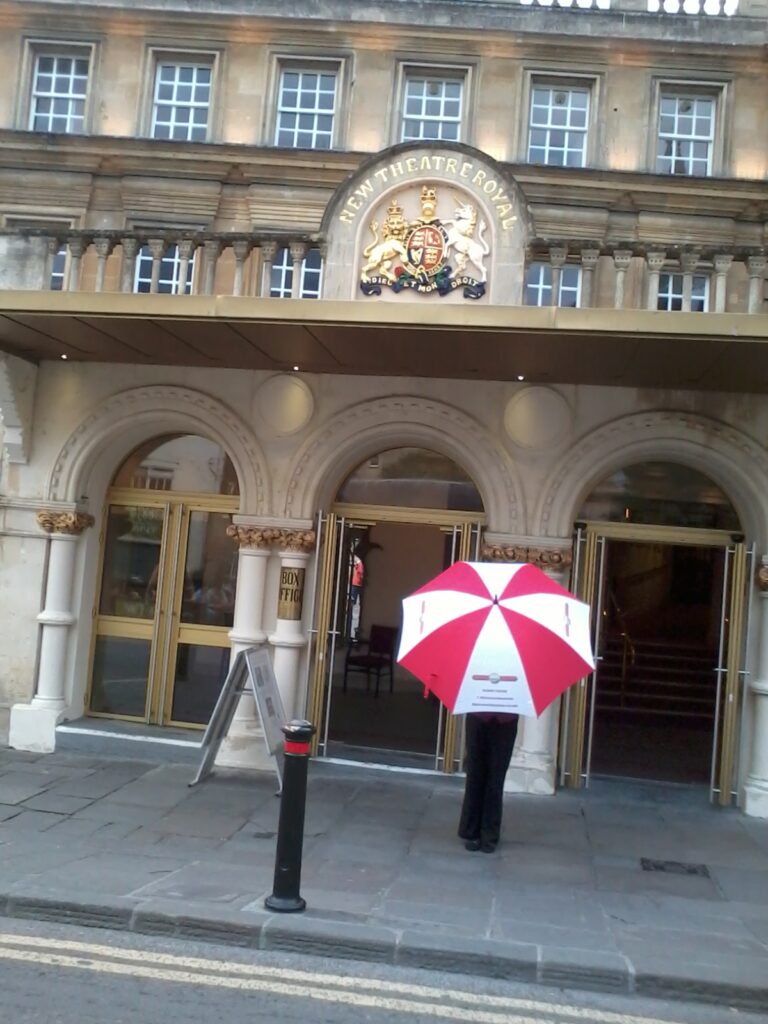
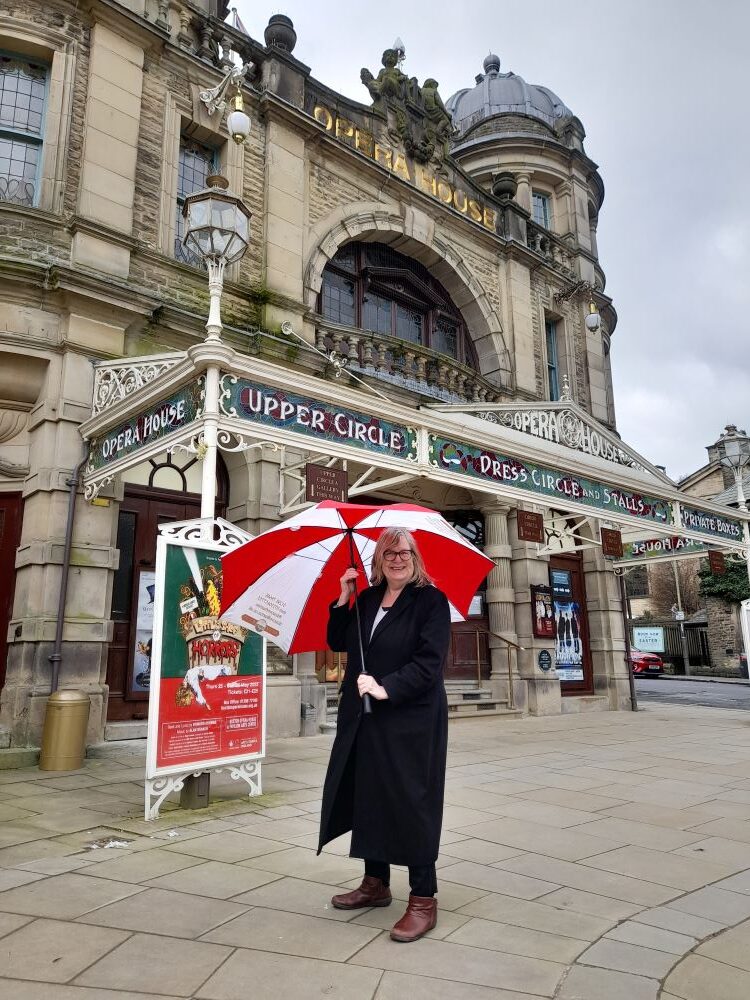
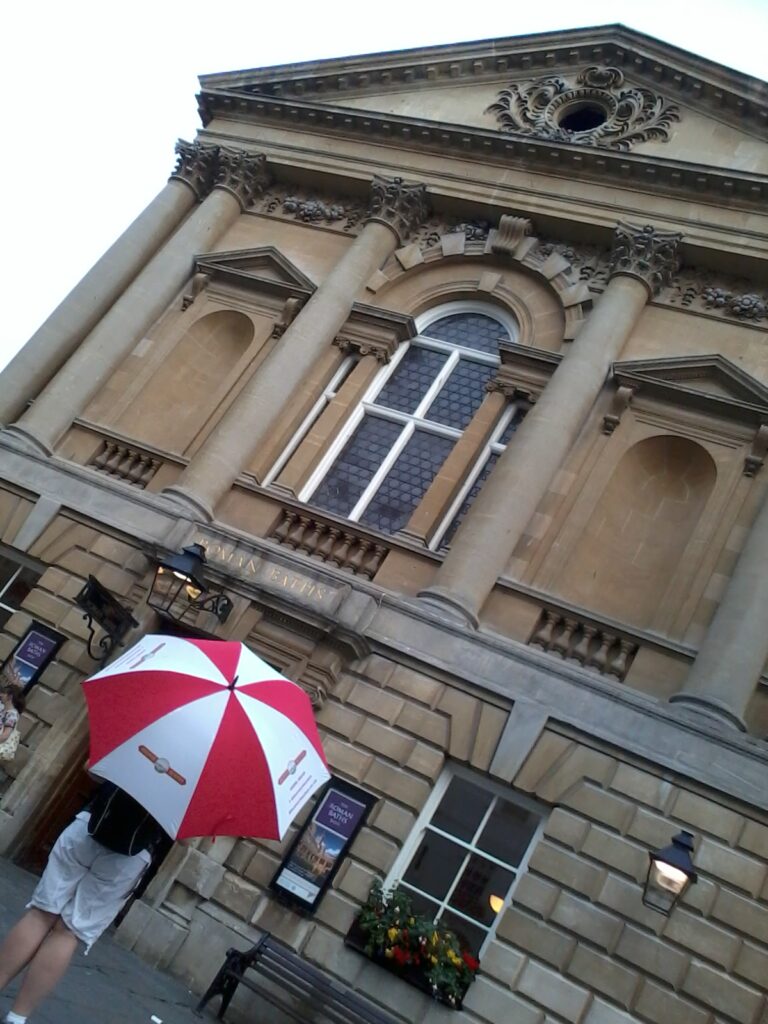
Taking the waters, whether at an inland spa resort or via sea bathing, was extremely fashionable in the Georgian period and the 5th Duke of Devonshire, who suffered from gout, would make the long and rather painful journey to the spa town of Bath to seek relief. It was probably after one of these journeys, by horse and carriage, that the Duke decided that the village of Buxton could be developed and attract the wealthy, the aristocracy and the social butterflies of the era who could observe the season’s etiquettes whilst sampling its curative waters. After all, as Hugh Walpole observed, “One would think the English were ducks, they are forever waddling to the waters.”
When the Duke built the Crescent in Buxton in the 1780s his intention was to rival Bath. Whether he achieved it is a matter of debate. Let’s look at some points of comparison…
1. Romans
Both places were beloved by the Romans, being the only two towns with names denoted by Aquae, for water: Bath was Aquae Sulis, Buxton was Aquae Arnemetiae. The extent of Roman Buxton is difficult to announce with any precision. There were Roman baths, but their true form is not, and never will be, known as the ruins were destroyed when the Crescent was built.
2. Royalty
Both places were visited and acknowledged by royalty. Elizabeth I gave a royal charter to Bath, making it a city, whilst Buxton housed her cousin, Mary Queen of the Scots. Buxton was also visited by most of Elizabeth’s court who were hoping to find out the latest gossip about the imprisoned Queen to intrigue the ear of Queen Elizabeth; and to cure their gout.
3. Crescents
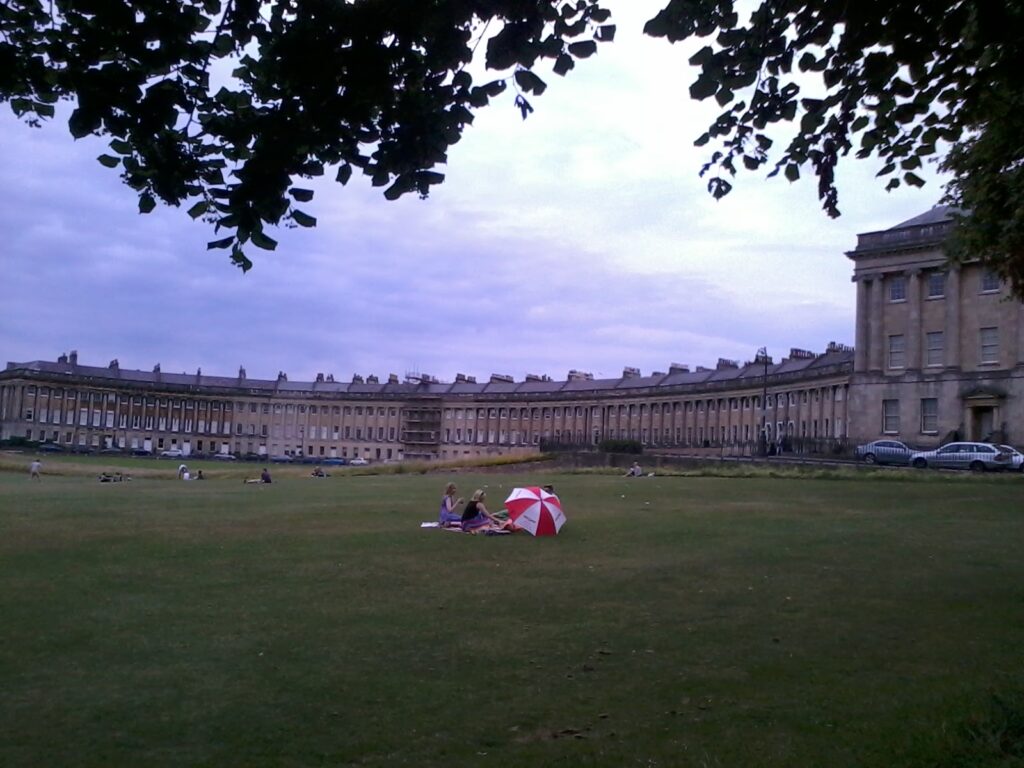
Both have Crescents, both of which still offer accommodation for thermal spas. The Crescent in Bath was built between 1767 and 1774 by John Wood the Younger and it originally comprised of 30 terraced townhouses. 10 are still full-size townhouses, 18 have been split into flats of various sizes, one is a museum; and The Royal Crescent Hotel & Spa is made up of No.16 and No.15.
The Crescent in Buxton, built between 1780 and 1788 by John Carr, is a much smaller affair, comprising of two hotels and some private lodging houses in the middle, including the Duke’s own. St Ann’s Hotel was in continuous use and was originally one quarter of the Crescent but eventually extended until it became half of building. There was a billiard room, post office, lending library and shops. The Great Hotel, later the Crescent Hotel, which hosts the impressive Assembly Rooms, became an annex to the Devonshire Hospital, council offices and library. The whole of the building is now a health spa hotel after a £70 million investment.
Both Crescents are architecturally impressive, although the Royal Institution of British Architects says that Buxton Crescent is “more richly decorated and altogether more complex” than Bath’s.
One thing in Buxton Crescent’s favour is that is has a proper back, and one just as ‘richly decorated’ as the front.
Talking of architecture, it has been said that Bath was laid out for ‘architectural effect’ but Buxton was laid out ‘more for convenience’, avoiding hills and with protection against the weather. Which is best?